The first three months of 2026 have brought an extraordinary wave of new dinosaur fossil discoveries from around the world. From China to the United States, Romania to Argentina, and Niger to Hungary, paleontologists have uncovered new species, record‑breaking giants, tiny dinosaurs, and evidence that completely changes our understanding of how dinosaurs spread and evolved.
Each find fills gaps in the fossil record, challenges long‑held scientific theories, and reveals new details about life during the Age of Dinosaurs.
March 2026: A Month of Historic Fossil Finds
1. New Early Jurassic Sauropodomorph Found in Dali, Yunnan, China
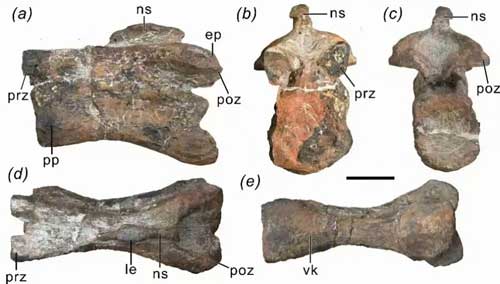
In March 2026, researchers announced the discovery of a new early Jurassic dinosaur species named Xianglong fengmingxiang in Xiangyun County, Dali, Yunnan Province, China. The fossil remains include several cervical vertebrae, dorsal vertebrae, caudal vertebrae, as well as partial hip bones such as the ilium and ischium.
This discovery is highly significant because it fills a major geographic gap in the early Jurassic dinosaur fossil record of western Yunnan. Before this find, dinosaur fossils from this period and region were extremely rare. The new species provides critical evidence for understanding the early evolution and radiation of sauropodomorph dinosaurs, which later gave rise to the enormous long‑necked sauropods that dominated the later Jurassic and Cretaceous periods. The research was published in Royal Society Open Science.
2. Giant New Tyrannosaur Species Discovered in Montana, USA
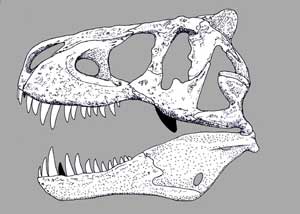
Scientists in Montana, USA, identified a massive new tyrannosaur species based on an exceptionally thick and robust 1.2‑meter‑long femur. The bone is approximately 15% thicker than the femur of “Sue”, the most famous and complete Tyrannosaurus rex specimen.
Based on bone measurements and comparative analysis, the dinosaur is estimated to have weighed around 4.7 tons, making it one of the largest tyrannosaurs ever discovered. Its femur has an unusually straight shape and an extremely thick bone wall of about 8 centimeters—nearly twice as thick as that of a typical T. rex. This unique structure suggests the dinosaur had exceptional strength and weight support, challenging previous ideas about the body structure, biomechanics, and ecological role of large tyrannosaurs in the Late Cretaceous.
3. New Hadrosaur Species Uncovered in the Hațeg Basin, Romania
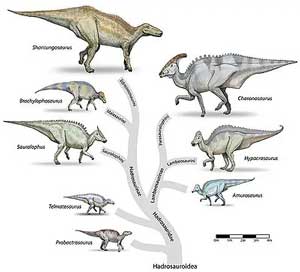
A new species of hadrosaur, named Ajnabia kalei (common name: Kale’s hidden duck‑billed dinosaur), was discovered in the Hațeg Basin in Romania. The fossils date back approximately 70 million years to the Late Cretaceous.
This new species belongs to the family Arenysauridae, a group of small to medium‑sized duck‑billed dinosaurs closely related to Tethyshadros from Italy. Its discovery confirms that southeastern Europe hosted a unique and independently evolving lineage of hadrosaurs during the Late Cretaceous, when the region was a series of tropical islands. This supports the theory that European dinosaurs evolved in isolation, developing distinct features different from those in North America and Asia. The study was published in the Journal of Systematic Palaeontology.
4. South America’s Smallest Alvarezsaur Found in Patagonia, Argentina
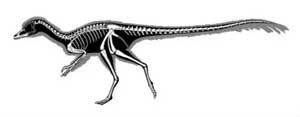
Argentine paleontologists announced the discovery of Patagonykus vigilans, the smallest and most completely preserved alvarezsaurid dinosaur ever found in South America. The adult individual was only about 70 centimeters long and weighed less than 1 kilogram, similar in size to a modern chicken.
This tiny, lightly built dinosaur had long, slender legs and highly reduced forelimbs, typical of alvarezsaurs. Before this discovery, scientists believed alvarezsaurs were mainly distributed in Asia and North America. The new find completely revises theories about the global distribution and evolutionary history of this unusual group of small theropod dinosaurs. The research was published in Nature.
February 2026: New Spinosaur and Sauropod Discoveries
1. New Spinosaur Species Identified in Niger
In February 2026, researchers revealed a new species of spinosaurid dinosaur from Niger, named Spinosaurus mirabilis. It represents only the second valid species within the genus Spinosaurus, following the well‑known Spinosaurus aegyptiacus from Egypt.
The new species is distinguished by a unique curved, blade‑like crest on top of its skull. This feature changes our understanding of spinosaur diversity, head morphology, and feeding ecology. Spinosaurs are famous as large, semi‑aquatic predators that ate fish and large prey, and this discovery shows they were more morphologically varied than previously thought.
2. New Middle Jurassic Sauropod Found in Chuxiong, Yunnan, China
Another important sauropod fossil was discovered in Yuanmou County, Chuxiong, Yunnan, named Yantaisaurus lini. The fossils include one cervical vertebra and five dorsal vertebrae from the Middle Jurassic period.
Although the skeleton is incomplete, the unique shape of the vertebrae confirms it represents a new species. This find expands the known diversity of Jurassic sauropods in southern China and helps scientists reconstruct how giant long‑necked dinosaurs evolved and spread across eastern Asia. The findings were published in the Zoological Journal of the Linnean Society.
January 2026: European Firsts and Titanosaur Discoveries
1. Europe’s First Late Cretaceous Ceratopsian Found in Hungary
In January 2026, a landmark discovery was announced: Ajkaceratops kozmai, the first definitive Late Cretaceous ceratopsian dinosaur from Europe, dating back about 85 million years.
Before this find, scientists believed horned ceratopsians like Triceratops lived only in North America and Asia. The Hungarian fossil proves ceratopsians successfully colonized Europe and lived alongside other dinosaurs there. This discovery rewrites the geographic distribution of horned dinosaurs and supports the idea of intermittent land connections between Europe and other continents during the Cretaceous. The research was published in Nature.
2. New Titanosaur Species Unearthed in Western Argentina
Paleontologists in western Argentina identified a new titanosaur species from fossils dating to approximately 83 million years ago. The dinosaur reached 10 to 12 meters in length and weighed an estimated 8 to 10 tons.
Its vertebrae are exceptionally well‑preserved, showing unique internal structures that provide insights into the growth and strength of giant sauropods. This discovery adds another important member to South America’s incredibly diverse titanosaur fauna, which included the largest land animals of all time. The study was published in Historical Biology.
Why These Discoveries Are So Important
Together, these early‑2026 fossil finds challenge many long‑standing beliefs about dinosaur evolution, distribution, and anatomy.
They prove ceratopsians lived in Europe.
They show tiny alvarezsaurs existed in Patagonia.
They reveal larger, more robust tyrannosaurs than previously known.
They expand the diversity of sauropods in China.
They demonstrate that spinosaurs were more varied than thought.
Every new fossil helps us piece together a more complete, accurate, and fascinating story of the dinosaurs that once ruled Earth.


